Before the Resort: How the Casino Became a Destination
How the casino became a destination depended on local settings: learn to distinguish gaming rooms, resort towns and linked entertainment districts.
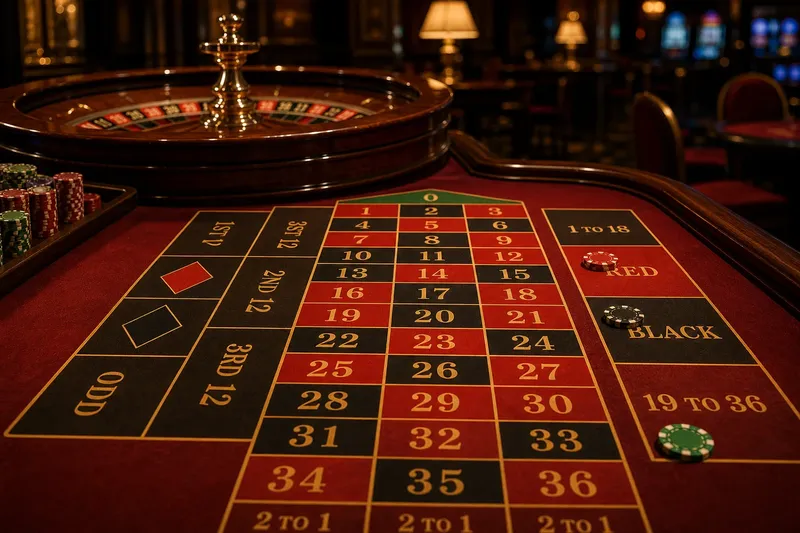
The common mistake is to treat the casino’s rise as a destination as a story of adding more games; the cost is overlooking the setting that shaped a visit. How the casino became a destination varied by place: a gaming room might sit within a spa town, a resort or a wider entertainment district.
Gaming rooms and resorts
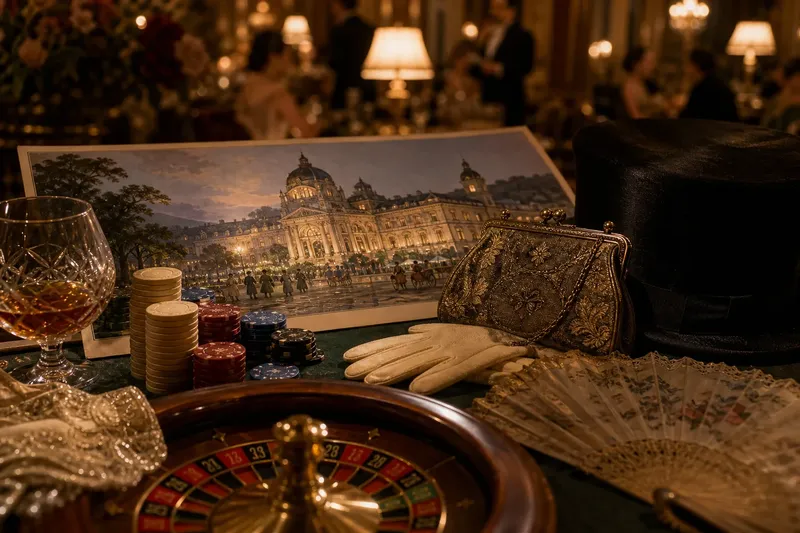
In eighteenth-century Bath, gaming formed part of a social season that also included the spa, assembly rooms and public entertainments. In nineteenth-century Baden-Baden, visitors encountered a casino within a resort town. These examples point to different local settings, not a proven universal sequence or a single cause for the casino’s development.
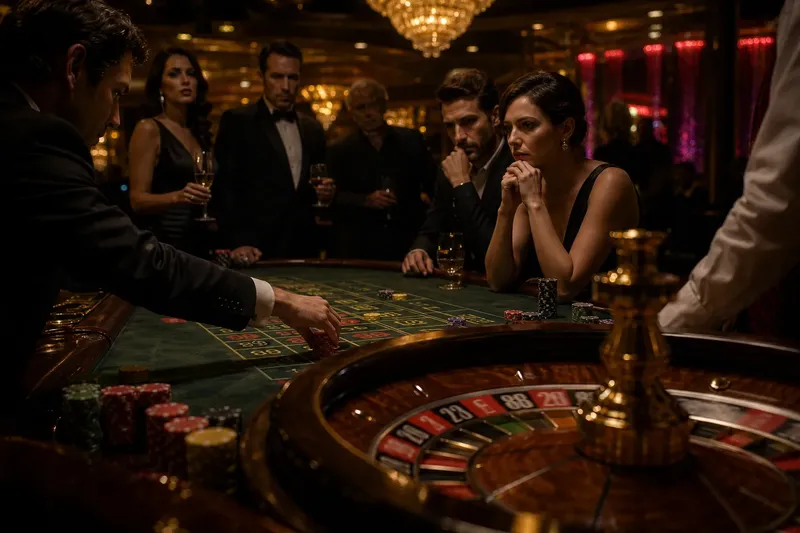
Architecture, dress, music and rules all helped shape a visit to a gaming room. A resort could connect gaming with accommodation, dining and entertainment, sometimes within one managed destination. It is a little like the difference between a shop on a street and a shopping arcade: one has a clear central purpose, while the other links several reasons to linger.
Four visit patterns
These patterns describe the shape of an outing, not fixed stages in casino history. They can overlap. For each one, check the visitor’s itinerary and the location of its activities, then choose the description that best fits.
- Gaming-centred evening: Check whether play is the main planned activity. If it is and other options are limited, describe the outing as gaming-centred; if a meal or performance is also planned, describe it as a broader evening.
- Resort holiday: Check whether the visitor is staying at a hotel or resort and choosing among several activities. If gaming is one option, describe it as part of a holiday itinerary; if the trip is organised chiefly around play, describe gaming as its main draw.
- Self-contained complex: Check whether accommodation, dining and entertainment share one site. If they do, describe the visit as centred on a connected complex; if activities are elsewhere, describe it as dependent on the surrounding area.
- Entertainment district: Check for nearby theatres, hotels and restaurants. If several venues together shape the outing, describe the district as part of the destination; if the casino stands apart, describe the venue as the main focus.
- Town-based visit: Check whether a spa, promenade or other public attraction is part of the itinerary. If it is, describe the visit through the wider town setting; if not, focus on the casino and its own facilities.
- Companions’ outing: Check whether visitors plan different activities. If they do, describe the visit as a mixed-interest outing; if they share the same plan, describe it around their common activity.
A city casino can offer dinner and a show, while a resort may still revolve chiefly around gaming. The distinction rests on the relationship between the venue, its amenities and the visitor’s plans.
Leisure and hospitality
Leisure travel and commercial entertainment did not develop in one identical pattern everywhere. A theatre-goer might dine before a performance; a seaside visitor might combine a hotel stay with a promenade and amusements. Such comparisons offer context for how outings can combine activities, but they do not establish a universal chronology for casinos.
Hospitality could make an outing workable for companions with different interests. One might prefer a meal or performance while another chose to gamble; a traveller might also need somewhere to stay. Additional options changed the shape of a visit without changing the games themselves.
Say two fictional travellers are deciding between an evening at a gaming hall and an overnight break. For this invented situation, their starting plan is one gaming-hall visit, one dinner and one performance, with a hotel nearby. They choose the overnight plan because each wants a different activity, arrange dinner before the show, and keep the gaming hall as one stop rather than the whole itinerary. The observable result is a plan with gaming, dining, a performance and accommodation; the trade-off is that the visit now depends on coordinating several venues.
The connected resort
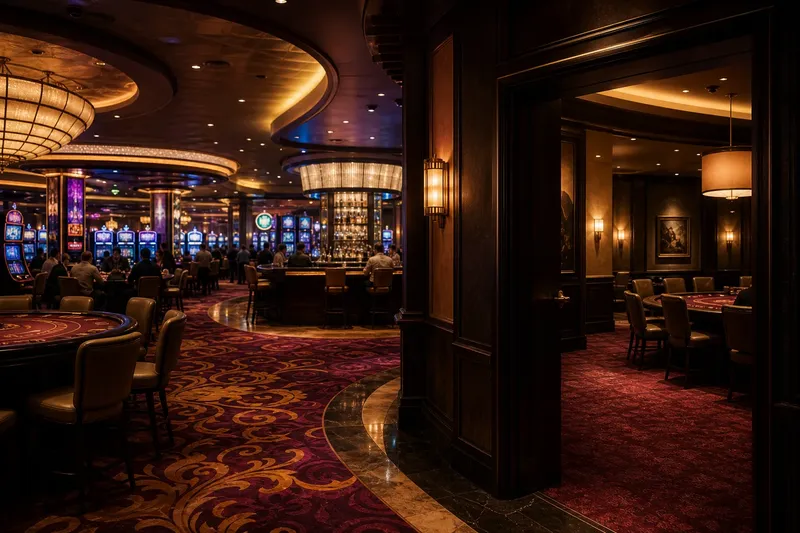
A resort connects parts of a stay, allowing visitors to move between accommodation, dining, performances and a gaming floor as elements of one outing. The casino may remain prominent, but it becomes one anchor in a broader leisure offer.
Signs, architecture, restaurants and entertainment can help make that offer feel connected. A large building alone does not make a resort: what matters is how its activities fit together and whether visitors have meaningful options beyond gambling.
“Casino” refers to a gaming venue or activity; “resort” describes a broader leisure proposition. A casino may sit within a resort, but the terms are not interchangeable.
How do destinations differ?
Why did casinos offer more than gaming?
Some venues included dining, accommodation or entertainment for visitors combining activities. The mix varied by place, and gaming could remain the main reason to visit.
Did every casino become a resort?
No. Some remained gaming venues, while others formed part of hotels, resort towns or entertainment districts. The destination model describes one kind of setting, not a universal outcome.
What makes a casino a destination?
A casino is part of a destination when the outing extends beyond gaming alone. That might involve a complex with several amenities or a venue within a wider visitor district.
How does a gaming room differ from a resort?
Compare what a visit offers beyond play, including accommodation, dining, entertainment and links with the surrounding town. This describes the itinerary without assuming that all casinos followed the same historical path.
To understand how the casino became a destination, ask what the visitor came for and what else the setting made possible. A spa town such as Bath or Baden-Baden, a connected resort and an entertainment district represent distinct ways that place and hospitality could shape a visit.