Casino, Resort or Venue? What the Labels Actually Tell You
Casino, resort or venue: learn what each label identifies, what it leaves unclear and how to read a name without mistaking it for a full description.
The most common mistake is treating a place’s name as a description of everything it offers. A casino, resort or venue label tells you what kind of identity the operator wants to foreground; it can leave practical details about the site, its services and its boundaries unstated.
That distinction matters when you are reading a sign, a listing, a review or a scene in a story. Think of the label as the title on a filing cabinet: useful for finding a drawer, but not enough to tell you exactly what is inside. The details come from the words around it.
What does casino mean?
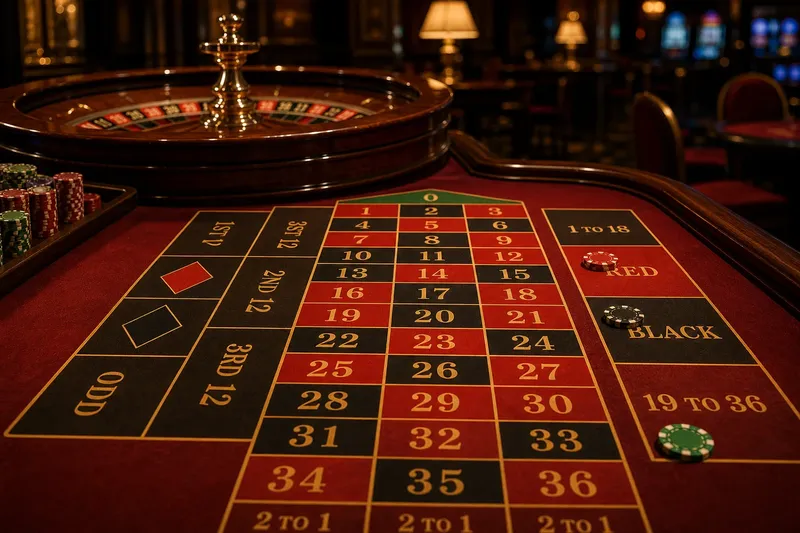
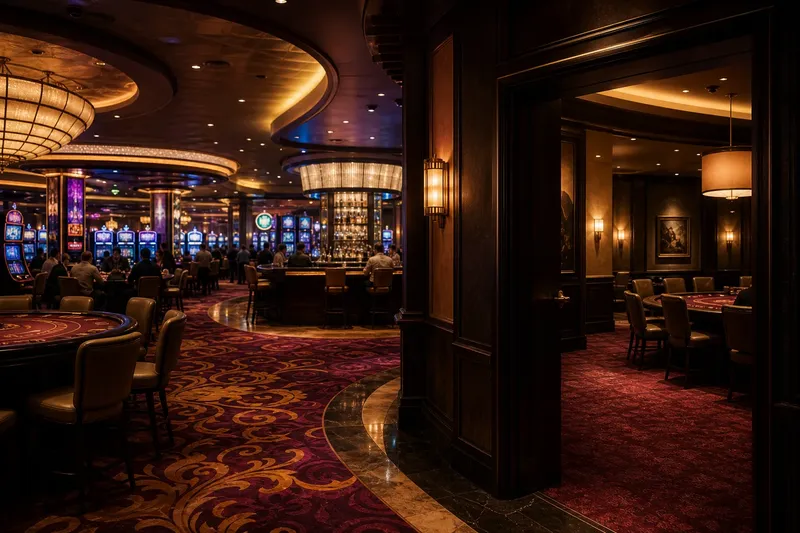
“Casino” identifies a place associated with gambling games, but the word alone does not tell you which games are available, how the premises are arranged or what else the business contains. In conversation and popular culture, it can refer to a dedicated gambling establishment or to the gambling area within a larger property.
That range is easy to miss. A venue may call itself a casino because gaming is central to its identity, while a hotel may use the word for one part of a broader complex. A headline that says “the casino” may also use a familiar shorthand without explaining whether it means the gaming floor, the building or the organisation operating it.
For a clearer reading, look for nearby nouns and verbs. “Casino hotel” suggests an association with accommodation; “casino floor” points towards a particular interior space; “casino operator” refers to a business rather than a room. Those extra words narrow the meaning without changing the label itself.
What does resort add?
“Resort” presents a property as a destination built around leisure or a stay, rather than naming one specific activity. It may include accommodation, dining, entertainment or other visitor services, but the label does not establish which of those are present or how they fit together.
A casino resort, then, joins two kinds of description: one foregrounds gambling, while the other frames the wider property as a place to spend time. The phrase does not, by itself, tell you whether the casino is the main attraction, one part of a hotel complex or a feature among several offerings.
Context does the rest of the work. A travel listing may use “resort” to describe a guest’s broader stay; a news report may use it as part of a company’s official name. If you need to understand the property rather than repeat its branding, check the specific services and spaces named in the surrounding text.
What does venue identify?
“Venue” identifies a place where an event or activity happens, but it says little about the place’s permanent purpose. A casino can be a venue for a performance; a ballroom can be a venue for a reception; the same building may host several different kinds of event.
The word is deliberately broad. It keeps attention on the location as a setting, not necessarily on its ownership, business model or everyday use. Calling somewhere a casino venue can therefore mean that it hosts casino-related activity, not that gambling defines the whole site.
In a listing, ask what the venue is hosting and which part of the property is involved. “Venue for a concert” tells you about an event. “Casino venue” may simply be a compact description of the setting, so look for a more precise noun if the distinction matters.
Where do the labels overlap?
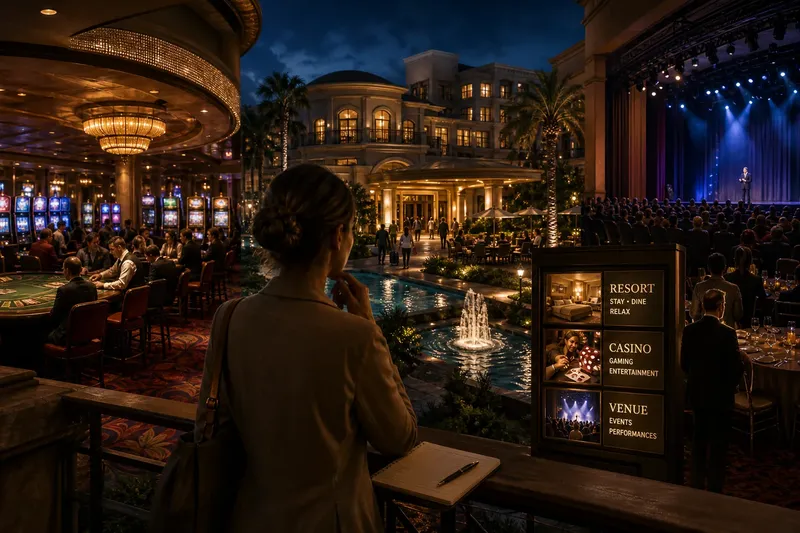
The labels overlap because they answer different questions. “Casino” points to an association with gambling, “resort” frames a property as a leisure destination, and “venue” describes a place in relation to an event or activity. One building can fit all three descriptions without any of them being interchangeable.
Imagine a fictional property called Harbour House. Its sign calls it a resort, a local guide describes its gaming area as a casino, and an event listing names its theatre as a venue. Each description can be accurate while leaving out the others: none, on its own, maps every service or space at Harbour House.
This is why the nouns in a sentence matter as much as the label. “The resort’s casino” distinguishes a component from the wider property; “the venue’s hotel” may identify another component; “the casino hosted a show” may use the gaming business as shorthand for its surroundings. Read the relationship, not just the headline word.
What should you check in a listing?
Look for the specific details that answer the question you actually have. A name can orient you, but a description should tell you what is available, where it is and what role it plays.
- Property name: Is the label part of an official name, or is it the writer’s general description?
- Named spaces: Does the text identify a hotel, gaming area, restaurant, theatre or event room?
- Activity: Is the place described as hosting an event, offering a service or operating a particular business?
- Scope: Does “casino” mean the whole property, a gaming area or an organisation?
- Audience: Is the description aimed at guests, event organisers, visitors or someone reading a news report?
- Source: Is the wording promotional, editorial or simply a short directory entry?
These checks are especially useful when two descriptions seem to conflict. A directory might call a property a venue because it lists event facilities, while its own sign calls it a resort. The discrepancy may reflect different purposes, not a disagreement about what the place is.
How do labels shape a story?
In fiction and screen dialogue, a label often sets expectations before a character enters the scene. “Casino” can suggest gambling, “resort” can imply a wider stay, and “venue” can keep the focus on an event. Those impressions are cues, not evidence about the fictional place’s full design or services.
Writers also use labels to steer a reader’s attention. Calling a building a casino can make its gaming identity feel central; calling the same property a resort can foreground leisure or hospitality. Neither wording proves that the other aspect is absent—it simply selects a different angle.
When analysing a scene, notice whether the dialogue names a whole property or a particular room. A character who says “meet me at the casino” may mean the building, its entrance or a familiar area inside it. The scene may rely on shared understanding, so the label can remain intentionally imprecise.
Which details settle the meaning?
The surrounding description settles more than the label does. Look for the property’s named components, the activity under discussion and the speaker’s purpose. A travel writer, event organiser and fictional character may use the same word to point at different things.
When a distinction affects a real visit or booking, use the operator’s current description and confirm the relevant details directly. The right interpretation can depend on the specific property’s wording and the terms attached to an event or service, so a broad label should not stand in for those particulars.
Do these labels have fixed definitions?
No single label gives a complete, universal account of a property. “Casino,” “resort” and “venue” each foreground a different relationship—gambling, leisure or an event—while leaving other features open.
Can one place be all three?
Yes. A property may operate as a resort, contain a casino and host events in a theatre or meeting room. The terms describe overlapping aspects rather than mutually exclusive kinds of building.
Does “casino” always mean a gaming floor?
No. It can refer to a business, a whole property, a gaming area or the setting in a story, depending on the sentence. Look for accompanying words such as “floor,” “hotel,” “operator” or “event” to see which meaning fits.
What should I read beyond the name?
Read the details that match your purpose: named spaces, services, events and the scope of the description. The casino, resort or venue label is a starting point; the specific nouns around it tell you what the name leaves unsaid.
When you encounter casino, resort or venue in a listing or a story, pause over the relationship each word describes. That small habit makes it easier to distinguish a property from one of its rooms, a leisure destination from an event setting, and a suggestive name from a fuller account.