The Casino on Screen: Atmosphere Is Not Evidence
Learn how to read casino scenes on screen, separating cinematic glamour, tension and risk from the details of real play and casino culture.
The most common mistake when watching a casino scene is treating its confident rhythm as a lesson in how gambling works. The cost is a blurred line between a story’s carefully arranged drama and the uncertain, rule-bound experience of real play. To read a casino on screen well, notice what the film wants you to feel before deciding what it shows you.
Start with the mood
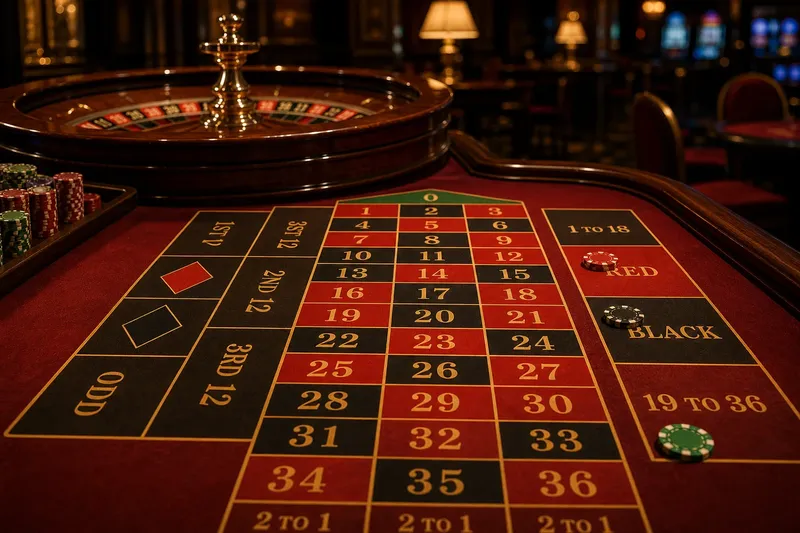
Casino imagery arrives pre-loaded with associations: polished surfaces, bright signs, clinking glasses, cards turned at a decisive moment. A filmmaker can use these details to suggest glamour, danger, temptation or excess before anyone explains the plot.
Begin by naming the mood the scene creates. Does the room feel inviting, claustrophobic, triumphant or faintly unreal? Listen for music and room sound, too. A low murmur beneath a character’s dialogue can make a crowded space feel secretive; a sudden hush can make an ordinary pause seem momentous.
Then ask what the mood does for the story. In a comedy, a roulette table might be a backdrop for social embarrassment. In a thriller, the same table may frame a character’s loss of control. The props overlap, but the meaning changes with the scene around them.
Follow the camera
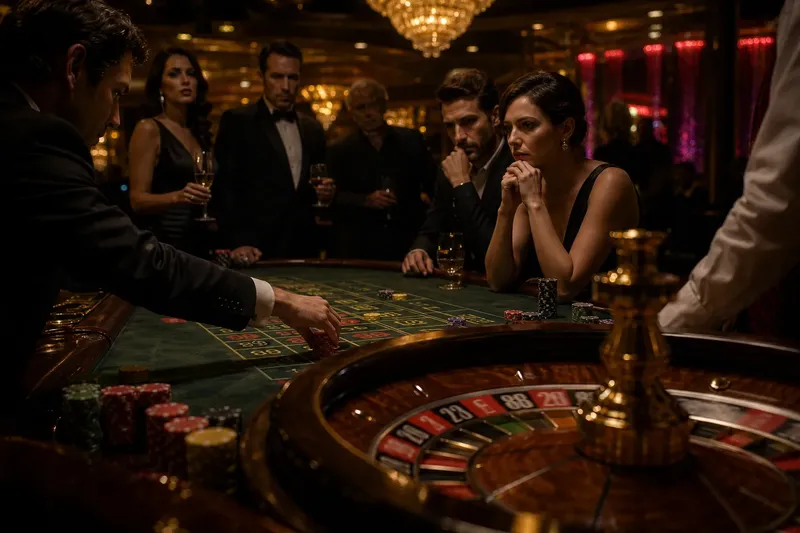
Next, watch where the camera directs your attention. A close-up of a chip, a hand hovering over a card or a character’s expression can make one small gesture feel decisive. A sweeping shot across lights and tables, by contrast, can turn the casino into a world of spectacle.
Editing adds another layer. Quick cuts between a player, a dealer and a watching crowd can create urgency even when the underlying action is simple. A drawn-out pause before a reveal stretches suspense. That suspense belongs to the film’s timing; it does not tell you how often a particular result occurs or what a player should expect.
Try separating what the camera shows from what it implies. The shot may show a player placing a chip. It may imply courage, desperation or a turning point. Those are storytelling cues, not proof that the character has made a sound decision.
Read the performance
Actors often communicate the scene’s stakes through posture and expression. A relaxed smile can signal ease or calculated confidence; a rigid shoulder or fixed stare can suggest pressure. These choices help us understand a character, but they are not reliable guides to how real players feel or behave.
Notice who gets to appear composed. A film may give the central character stillness while showing everyone else as dazzled, nervous or easily led. That contrast can build the image of a gifted gambler, even when the story has not shown enough to explain the result.
Dialogue deserves the same care. A line about having a system may reveal a character’s belief, vanity or wishful thinking. Unless the story supplies a reason to trust that claim, treat it as characterisation rather than advice.
Separate drama from rules
Once you understand the scene’s emotional work, look at the game itself. Is the film showing cards, dice, roulette or a slot machine? What can you actually see the participants do, and what has the editing skipped? A familiar-looking table is not enough to establish that the scene follows real procedures.
Films compress time and simplify rules because the audience needs to follow a plot. A hand can be dealt, interpreted and resolved in moments; a character can win or lose at exactly the point the story needs. Details that would interrupt the scene may be omitted, altered or left ambiguous.
So distinguish three things:
- Visible action: what is plainly shown, such as a card being turned or a chip being placed.
- Story implication: what the scene asks you to infer, such as confidence, danger or a sudden reversal.
- Real-world claim: what would need accurate rules or context before it could be treated as an account of actual play.
This separation is especially useful when a scene makes a dramatic win look like the result of nerve or insight. The film may be rewarding a protagonist’s character arc, not explaining a repeatable way to play.
Watch the glamour
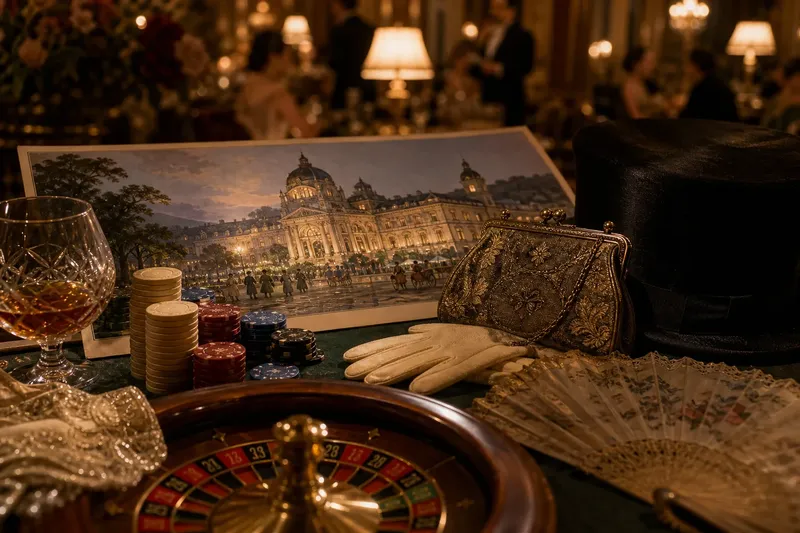
Costume, lighting and décor shape how a casino appears on screen. Satin, dark suits, warm pools of light and gleaming surfaces can turn the room into a stage for status and desire. A harsh palette or crowded framing can instead make it feel unstable or oppressive.
These choices are selective. The camera may linger on a striking chandelier and skip the less cinematic details of an evening. That does not make the image false; it makes it composed. Think of a film set as a shop window: arranged to catch your eye, not designed to show every part of what sits behind the glass.
Ask whose glamour is being sold. Is the casino presented as a place where the hero belongs, or as a seductive environment that threatens to swallow them? Is wealth treated as freedom, proof of cleverness or a costume that can come off? The answers often say more about the film’s values than about casino life.
Track the risk
Screen stories often turn risk into a visible contest: one person takes a chance, the room watches, and a result lands with a flourish. This makes uncertainty easy to follow. It can also make risk seem like a test of character, as though boldness itself deserves a reward.
Look for what the scene leaves outside the frame. Does it show consequences after the dramatic moment, or does it cut away at the most satisfying beat? Does a win resolve a problem, or does it introduce another? A story’s choice to linger on triumph or loss is part of its argument about risk.
Imagine a fictional drama in which a character enters a casino worried about rent, places a single bet, and walks out after a striking win. The action gives the plot a sudden reversal; the expected observable result within the story is relief on the character’s face and a changed plan for the next scene. That sequence still cannot tell a viewer what would happen to someone making the same choice outside the fiction.
Ask what carries over?
Does a film scene show real casino rules?
It may show recognisable elements, but editing, dialogue and staging can change or skip important details. Treat the scene as an account of play only when the work makes accuracy part of its purpose and supplies enough context to support that reading.
Why do casino scenes feel so tense?
Sound, close-ups, pauses and reactions can make a small action feel consequential. The tension is crafted for the story, much like suspense in a courtroom or a race scene.
Can a character’s win teach a strategy?
A fictional win shows what happens in that plot, not what a viewer should expect from a similar choice. Notice whether the story explains the relevant rules, or simply uses success to complete a character’s arc.
How can I tell glamour from endorsement?
Look at what happens after the attractive images: does the story show costs, consequences or contradictions, or leave the casino as an alluring backdrop? A film may invite fascination without asking you to approve of every choice it depicts.
Make a viewing note
When you want to read a casino scene closely, pause after it and jot down a few observations:
- Name the mood created by sound, light and pacing.
- Note the camera’s main focus: a person, a game or the room itself.
- Separate visible actions from the motives you infer.
- Identify any rules the scene actually explains and any it skips.
- Ask which consequences appear, and which remain outside the frame.
Say you have just watched a fictional poker scene built around a long pause and a final card. Your note might record that the music and close-up create tension, that the character appears confident, and that the film has not explained enough about the hand to support a lesson in play. That is a useful reading without pretending the scene is a rulebook.
Carry the distinction
Next time a casino appears on screen, let the scene work on you, then ask how it works. Start with its mood, follow the camera, read the performance and separate visible game details from dramatic suggestion. This makes it easier to enjoy the spectacle without mistaking atmosphere for evidence.
The distinction also sharpens your view of the story itself. A glittering room can reveal what a character wants, what the filmmaker admires or fears, and which consequences the plot chooses to show. The casino becomes more than a setting: it becomes a carefully made argument about desire and risk.